More than a billion young people could lose hearing to the way they listen
Damage from loud listening builds up quietly and does not come back. A simple 60-60 habit protects your ears.

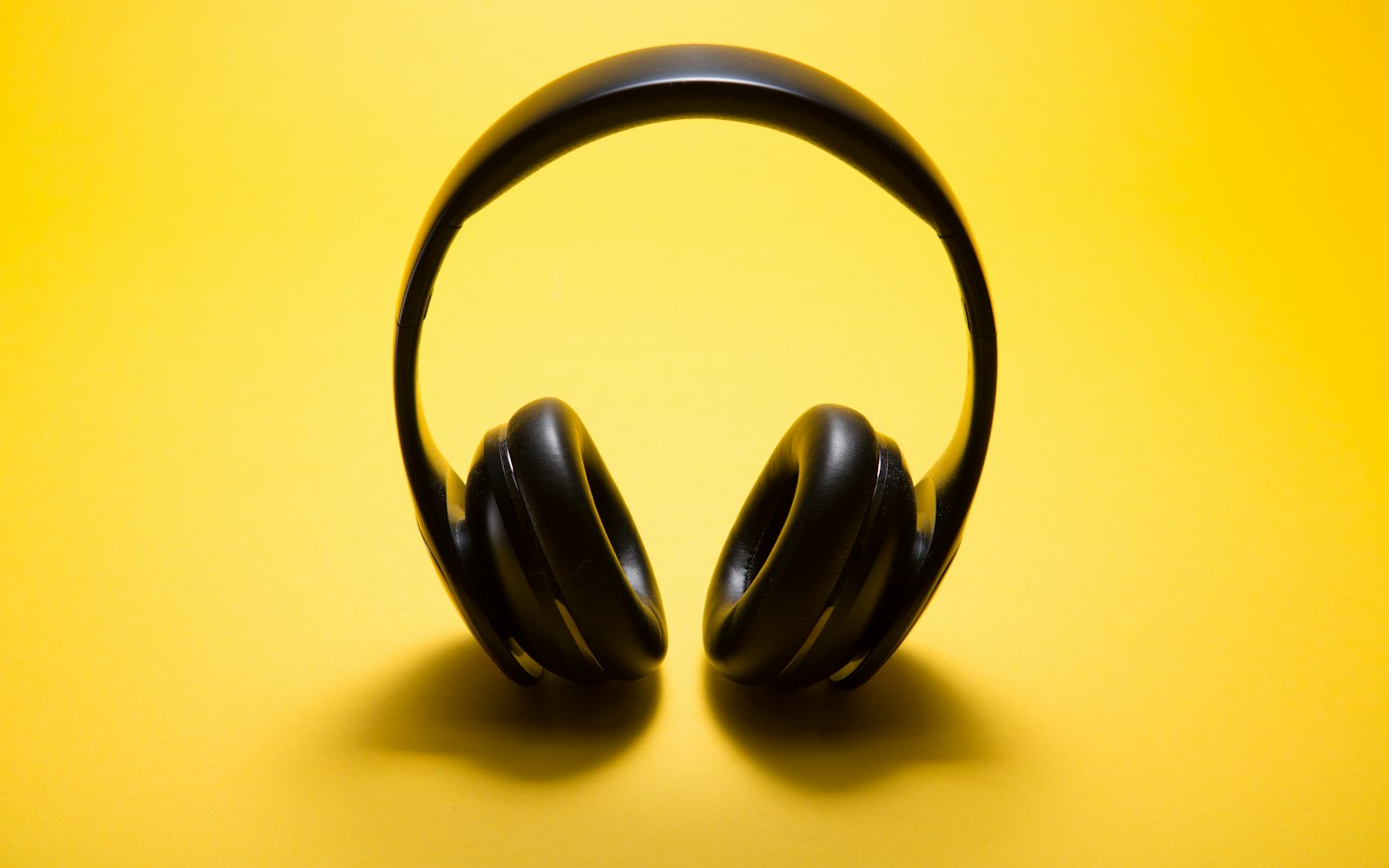
Look around any metro coach or office floor and half the people are wearing earphones. Now think about how loud they must be to drown out a Gurugram road or a crowded train.
The World Health Organization estimates that over a billion people aged 12 to 35 are at risk of permanent hearing loss from unsafe listening, mainly personal audio devices and loud venues. Noise damage is cumulative. The tiny hair cells in the inner ear that turn sound into signals are damaged a little at a time, and once they are gone they do not grow back.
The early signs are easy to miss: ringing or buzzing after listening, sounds seeming muffled, asking people to repeat themselves in a noisy room, or needing the TV louder than the rest of the family likes.
Protecting your ears - Use the 60-60 rule of thumb: no more than 60% of the maximum volume, for no more than 60 minutes at a stretch, then a break. - Most phones have a headphone safety setting that warns you or caps the volume. Turn it on, and on your children's phones too. - Noise-cancelling earphones help, because you don't need to turn the volume up to beat the traffic. - If the person next to you can hear your music, it is too loud. - At weddings, concerts and clubs, stand away from the speakers and step outside now and then. - Ringing that lasts more than a day, or hearing that feels dull, needs a check with an ENT doctor.
Where this comes from - World Health Organization. World Report on Hearing, 2021, and the Make Listening Safe initiative. - Dillard LK et al. Prevalence and global estimates of unsafe listening practices in adolescents and young adults. BMJ Global Health, 2022.
Keep reading with a free account.
The full library is for Atulyam members. Sign up in a minute, or log in if you already have an account.