Your kidneys filter 180 litres a day. Everyday painkillers can quietly wear them down
Regularly popping common painkillers for headaches and body aches, without a doctor, can damage the kidneys over time.

Your two kidneys are each about the size of a fist, yet together they filter around 180 litres of fluid from your blood every day, the volume of a large water drum. From that they pull out waste and extra water to make one or two litres of urine, and send everything else back to the blood. They also help control blood pressure and keep your bones and red blood cells healthy.
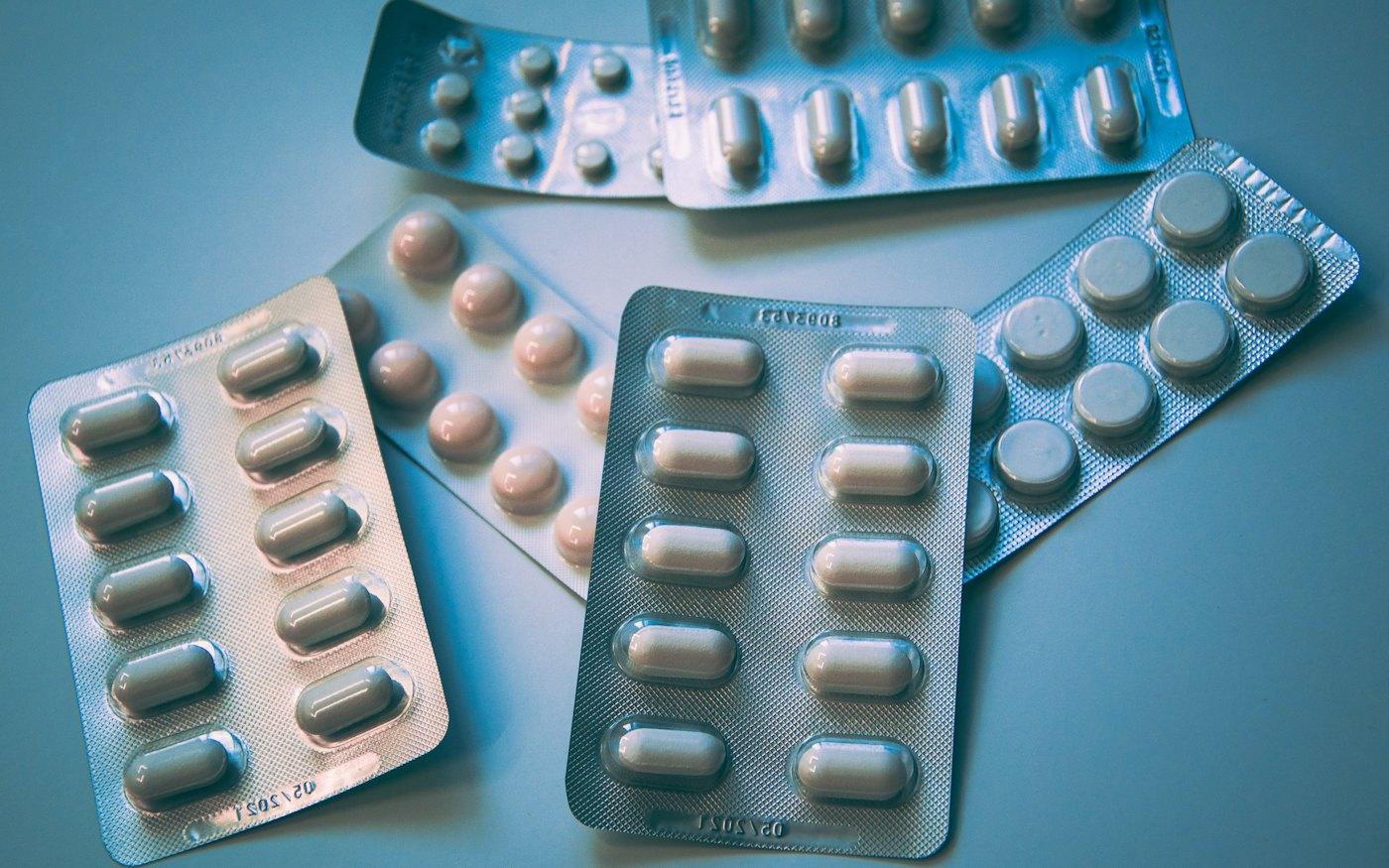
They are tough, but not indestructible, and one everyday habit is a particular problem for them. The group of painkillers known as NSAIDs, which includes ibuprofen, diclofenac, naproxen and aspirin at pain-relief doses, reduces blood flow to the kidneys. Taken now and then, in a healthy person, that is usually fine. Taken often, for months or years, for headaches, backache, knee pain or period pain, they can cause lasting kidney damage. The risk is higher in people who are older, dehydrated, diabetic, have high blood pressure, or already have weak kidneys.
Many of these tablets are sold over the counter, and some pain balms and combination cold tablets contain them too, so people take more than they realise. Kidney damage usually causes no symptoms until it is advanced.
Protect your kidneys - Don't take painkillers every day for weeks without seeing a doctor. Repeated pain needs a cause found, not just covered up. - Check the ingredients on combination tablets, so you don't double up without knowing. - Drink enough water, especially in the heat and when you are unwell. - If you have diabetes or high blood pressure, get a simple kidney test (creatinine and a urine test) once a year.
Where this comes from - National Kidney Foundation. Pain medicines (analgesics) and your kidneys. - Whelton A. Nephrotoxicity of nonsteroidal anti-inflammatory drugs: physiologic foundations and clinical implications. American Journal of Medicine, 1999.
Keep reading with a free account.
The full library is for Atulyam members. Sign up in a minute, or log in if you already have an account.