Reheating dal in a plastic box? Read this first
Three minutes in the microwave can release millions of plastic particles from a single square centimetre of the container.

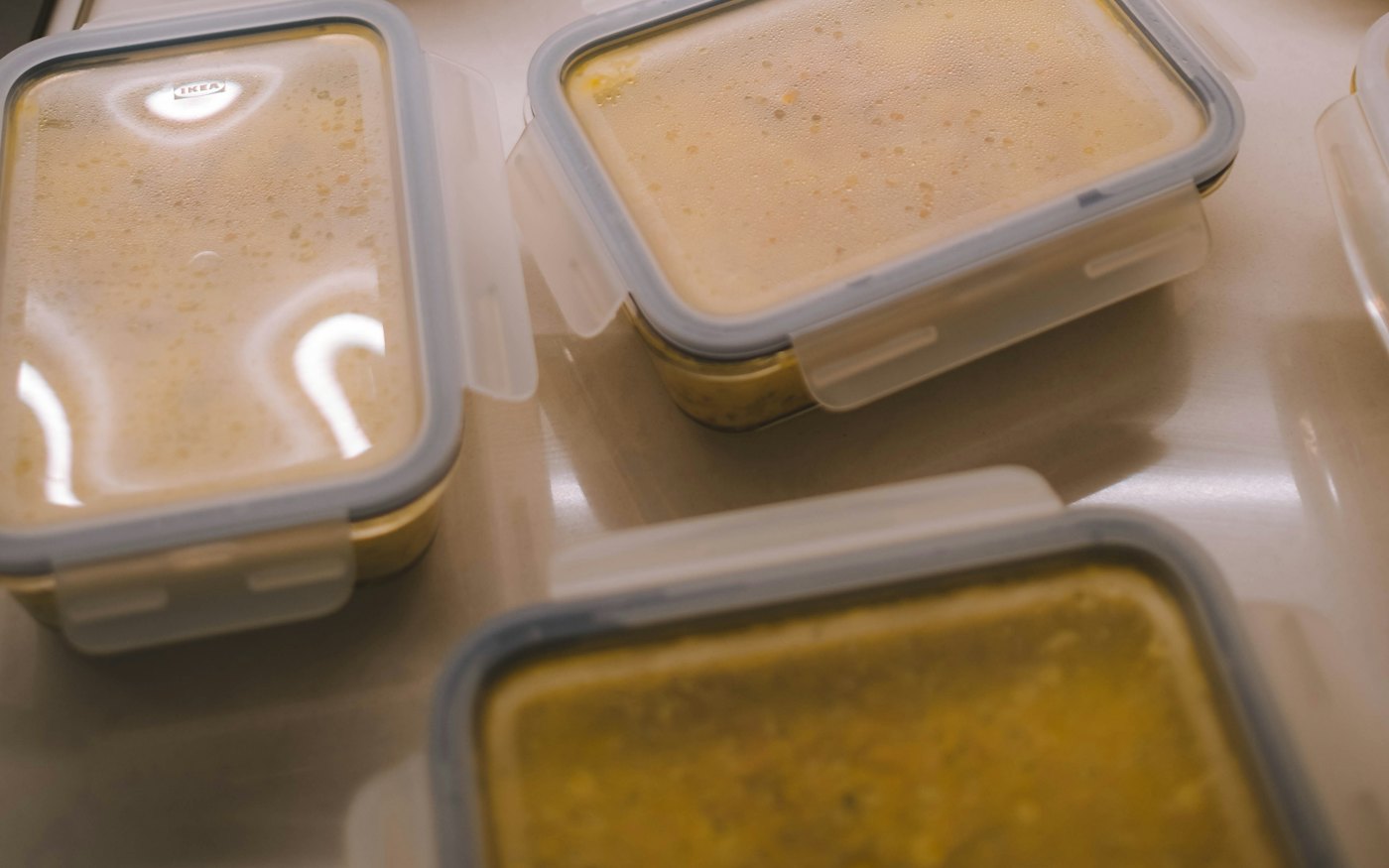
Most kitchens have a stack of old takeaway boxes that have been washed and reused so many times the lids barely shut. They are handy for leftovers, and they go straight into the microwave. That last step is the problem.
In 2023, a team at the University of Nebraska-Lincoln heated water and a mild acid, standing in for food, in ordinary plastic food containers. Three minutes in the microwave released up to 4.2 million microplastic particles and more than 2 billion even smaller nanoplastic particles from every square centimetre of plastic. Containers kept in the fridge or at room temperature for months shed particles too, but heat was far worse.
What those particles do inside us is still being worked out. They have been found in human blood and placentas. In a 2024 study in the New England Journal of Medicine, people who had plastic particles in the fatty plaque of their neck arteries had a higher risk of heart attack, stroke or death over the next three years. That does not prove the plastic caused it. It is enough to make a steel katori look like the smarter choice.
Easy swaps - Tip food into glass, steel or ceramic before heating. A plate on top works as a lid. - "Microwave safe" means the box will not melt or warp. It does not mean nothing comes off it. - Don't pour hot dal, sabzi or chai into plastic boxes or bottles. - Throw out containers that are scratched, cloudy or cracked. Worn plastic sheds more. - Wash plastic by hand in warm water rather than in a very hot dishwasher cycle.
Where this comes from - Hussain KA et al. Assessing the Release of Microplastics and Nanoplastics from Plastic Containers and Reusable Food Pouches. Environmental Science & Technology, 2023. - Marfella R et al. Microplastics and Nanoplastics in Atheromas and Cardiovascular Events. New England Journal of Medicine, 2024.
Keep reading with a free account.
The full library is for Atulyam members. Sign up in a minute, or log in if you already have an account.