Half the world may need glasses by 2050. Outdoor play protects children's eyes
Time in daylight is one of the few things proven to help stop short-sightedness from starting in children.

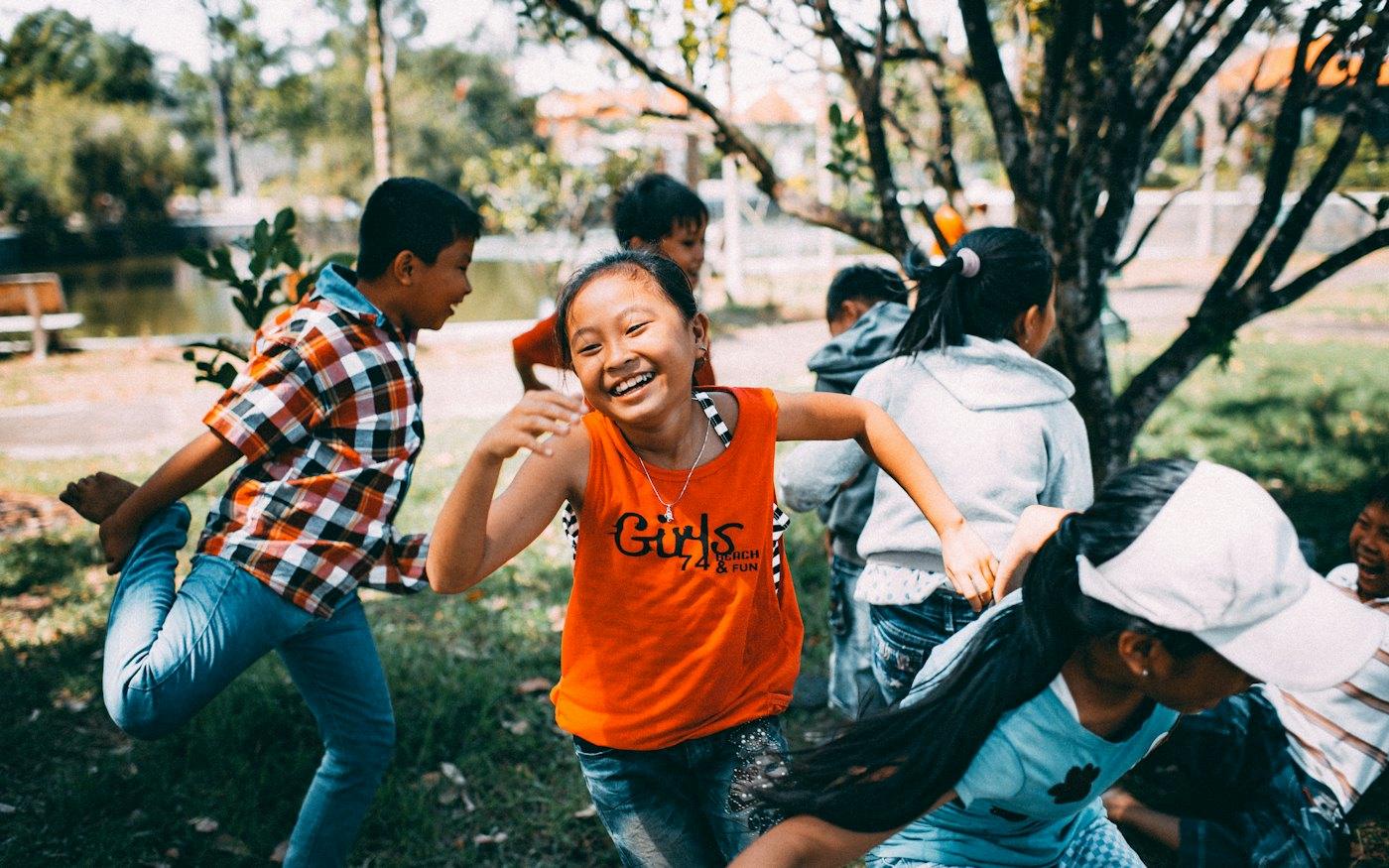
Short-sightedness, or myopia, means distant things look blurry. It is spreading fast. Researchers estimate that by 2050 around half of the world's population, nearly 5 billion people, will be short-sighted, up from about a quarter in 2000. It is rising among Indian children too, especially in cities.
Genes play a part, but they can't change that fast. What has changed is how children spend their days: more hours indoors, more close-up work like books and screens, and much less time outside.
Daylight seems to be the key. Outdoor light is many times brighter than indoor light, even on a cloudy day, and bright light appears to release chemical signals in the eye that slow down the excessive growth of the eyeball that causes myopia. In a trial in China, schools that added just one extra outdoor class of 40 minutes a day saw fewer children become short-sighted over three years than schools that didn't.
Once a child is short-sighted, it usually gets worse through the school years, and very high myopia raises the risk of serious eye problems later in life. So preventing or delaying it matters.
Protecting your child's eyes - Aim for about two hours a day outdoors in daylight. Any activity counts: playing, cycling, walking to the park. - Take breaks from close work. After every 30 to 40 minutes of reading or screens, look out of a window or go outside. - Keep books and screens at a comfortable distance, not pressed to the nose. - Squinting, sitting close to the TV, headaches or trouble reading the board are signs to get an eye test. - Get children's eyes checked before they start school, and then regularly.
Where this comes from - Holden BA et al. Global Prevalence of Myopia and High Myopia and Temporal Trends from 2000 through 2050. Ophthalmology, 2016. - He M et al. Effect of Time Spent Outdoors at School on the Development of Myopia Among Children in China. JAMA, 2015.
Keep reading with a free account.
The full library is for Atulyam members. Sign up in a minute, or log in if you already have an account.